
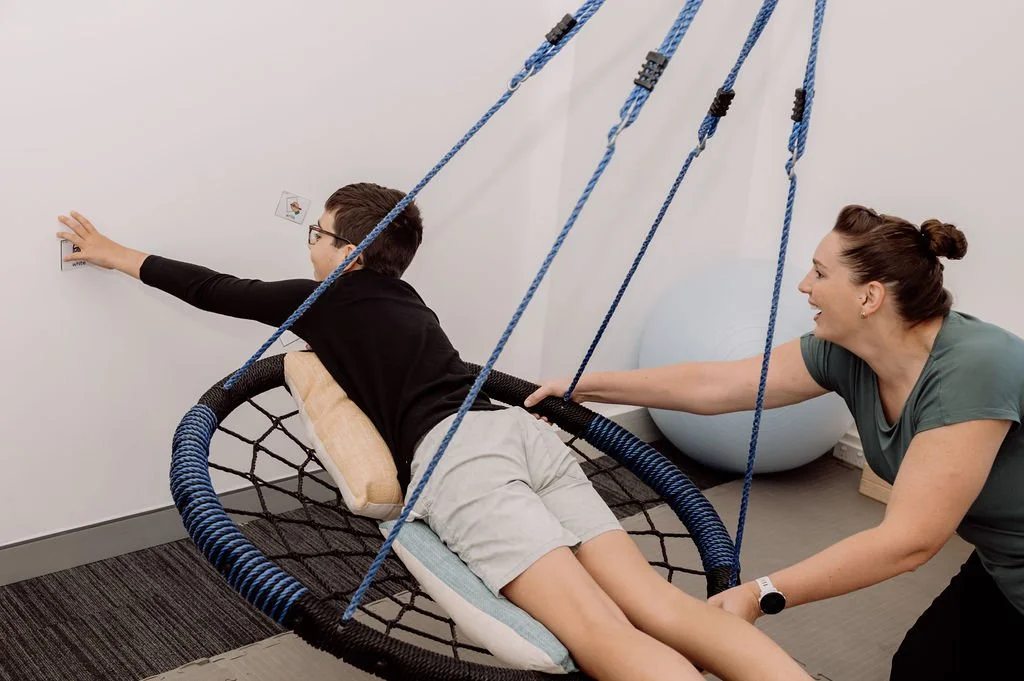
Playful and nurturing child Autism therapy
Autistic children often face unique challenges in communication and social interactions that can make it difficult to thrive without the right support. When therapy isn’t goal focused and engaging, it can feel overwhelming and ineffective, leaving kids frustrated and parents unsure of the next step.
At Kids Spot Speech Pathology in Rose Bay, we provide goal-focused, play-based Autism therapy for kids designed to make learning fun and effective.
Our comprehensive approach helps your child build essential skills while enjoying each session, ensuring real progress and better outcomes for accessing daily living and communication.

Child Autism therapy with a individualised approach
Our Autism therapy for kids is designed to improve communication, social interaction and language skills while tailoring each session to your child’s unique strengths, challenges and interests.
We work with you to set specific goals that incorporate play-based activities, visual aids and your child’s interests to engage your child in a way that feels natural and enjoyable.
Through creative, hands-on activities, we make therapy not just effective but fun. Whether your child is just beginning their therapy journey or requires ongoing support, we ensure each session helps them grow and feel confident along the way.
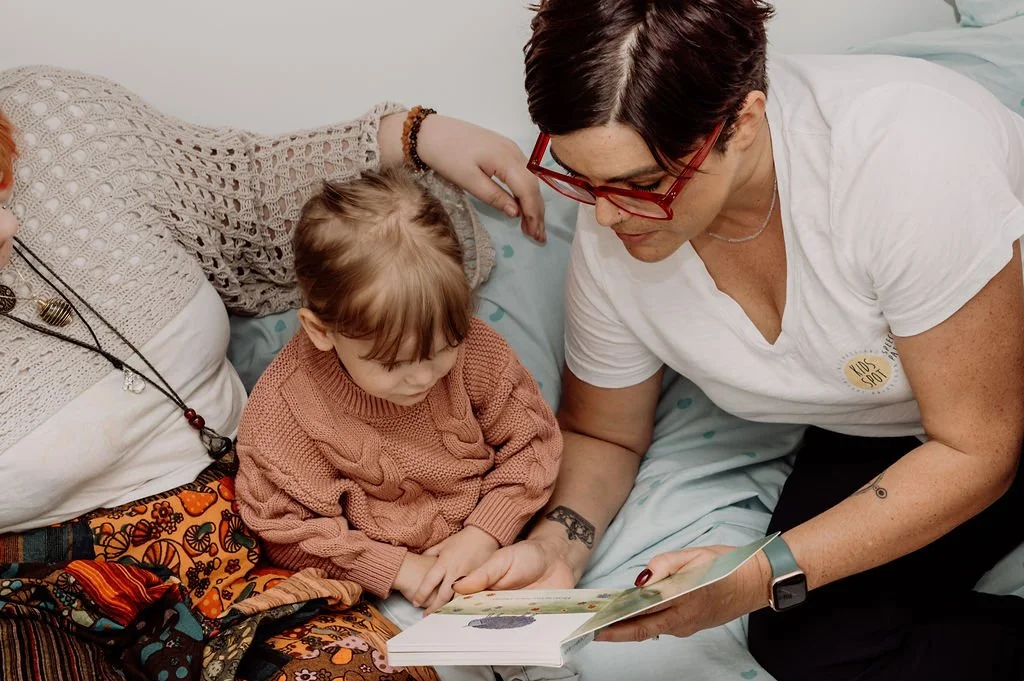
Unlocking growth through play
Goal-driven approach — No two kids are the same, and neither are their therapy goals. That’s why we personalise every session to suit your child’s unique needs, ensuring they make real progress at their own pace.
Play-based therapy — Our Autism speech therapy sessions should feel just like playtime, which is why we’ve designed them to be fun and interactive. This keeps kids engaged while they build essential communication and social skills.
Highly organised — Parents appreciate how our carefully structured sessions contribute to their child's growth. With every minute thoughtfully planned, your child experiences focused learning and fun, ensuring steady progress and no wasted time. You will receive weekly notes to support your journey.
Great location in Rose Bay — Conveniently located in Rose Bay, we’re easy to reach for families in the Eastern Suburbs and the surrounding areas. Come see us — we’re behind the yellow door.
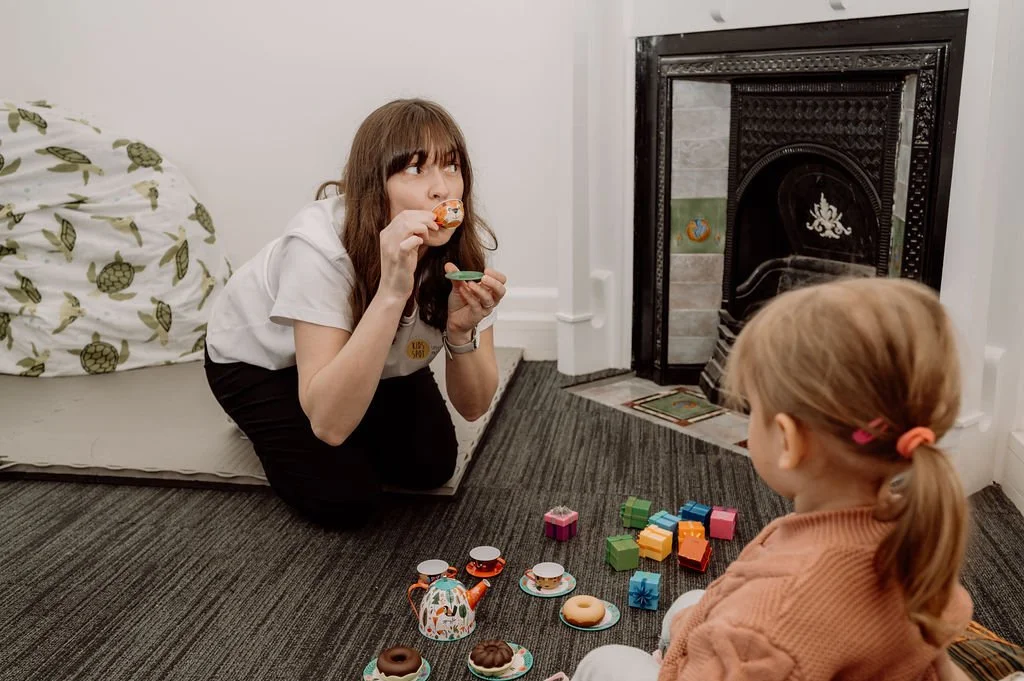
Need some guidance?
Deciding when to begin therapy for your child can be overwhelming.
If your child has a diagnosis and is experiencing difficulties with communication or social interactions, it might be time to consider child Autism therapy. Our experienced team offers a supportive, goal-driven and playful approach to help your child thrive.
With services designed to meet your child’s unique needs, we’re here to guide you through the process.
Ready to get started? Explore our services or schedule a consultation now.
FAQs
Is my child's speech delay a sign of Autism?
Speech delays can be an early indicator of Autism Spectrum Disorder (ASD), but they occur for many other reasons as well. Autism affects communication and social interaction, which can manifest as speech and language difficulties.The Key Differences include:
It's vital to consider the "whole child," not just speech.
Autism-related speech delays often occur with other signs like:
Social interaction challenges (limited eye contact, difficulty understanding social cues, difficulties interacting with others, limited interest in others, especially those not part of the immediate family)
Repetitive behaviours (hand flapping, rigid routines).
Sensory sensitivities (overreaction to sounds or textures).
What to Do
Seek a professional evaluation from a speech-language pathologist, developmental paediatrician, or psychologist.
Early intervention is crucial for Autistic children or those with speech delays.
Remember, a speech delay alone does not equal autism. Professional evaluation is required for a diagnosis.
How does Kids Spot help an Autistic child?
Child Autism therapy may feel overwhelming but Kids Spot speech pathology clinic is always play-based and child led. This means that the therapy uses your child’s interests and follows their lead as part of the process. It also means we are meeting your child at their developmental level and helping them to move towards achieving milestones.
We believe you are your child’s most important teacher and advocate. Our families are active participants in the play that occurs in our sessions.
We develop goals alongside you so you are an integral part of the journey and your child’s success.
We are passionate about community engagement, collaboration and inclusion. This means we work with all involved in your child’s care and education so they are supported in all aspects of their life. This includes:
Educators
Support workers
Family members and friends
Other health professionals
What does therapy at Kids Spot for Autistic kids look like?
We use a combination of play-based therapy, relationship-focused interaction (called DIR Floortime), and support for children who learn language in chunks (called gestalt language processing). This approach is gentle, respectful, and tailored to each child’s unique way of learning and communicating.
Here’s how it helps:
1. Play-Based Therapy
Children learn best through play. It’s how they explore the world and connect with others.
Play makes learning fun and natural. Instead of asking children to sit still and follow instructions, we follow their lead and join in their interests.
It encourages real communication. When children are playing, they have real reasons to communicate—like asking for a toy, sharing excitement, or solving a problem.
2. Building Connection Through Relationships (DIR Floortime)
We focus on connection first. Children learn best when they feel safe, connected, and understood.
We meet children where they are. Every child is different. We adjust to their level and work at their pace.
We support their sensory needs. Some children are sensitive to sound, touch, or movement. We respect those needs and help them feel calm and in control.
We help them grow step by step. Instead of pushing for quick results, we build important skills like taking turns, problem-solving, and understanding others over time.
3. Supporting Children Who Learn Language in Chunks (Gestalt Language Processing)
Some children learn language by repeating phrases they’ve heard. This is completely normal and meaningful—it’s often the first step in their language development.
We don’t try to stop this. Instead, we work with it, helping them move from long phrases (like movie quotes or repeated scripts) to more flexible and meaningful language.
We help them learn to build their own sentences. Over time, we support children to break down those chunks and use words in new ways to express themselves.
Why This Approach Works
It’s gentle and respectful—we don’t force or pressure.
It helps children feel safe, understood, and connected.
It supports real communication, not just repeating words or copying behaviours.
It builds the foundation for stronger relationships, better communication, and more confidence.
Why is my child not talking?
It's understandable to be concerned if your child hasn’t started talking as you expected. There are many reasons why a child might experience a speech delay. If you have concerns, it's always best to seek professional advice. Below are some possible reasons your child isn’t talking yet:
Hearing Loss:
If a child has difficulty hearing, they may struggle to learn and imitate sounds.
Speech and Language Disorders:
These can involve difficulties with the physical production of speech sounds (speech disorders) or with understanding and using language (language disorders).
Autism Spectrum Disorder (ASD):
Speech delays can be an early sign of ASD, though it's important to note that many children with speech delays do not have autism.
Intellectual Disabilities:
Cognitive delays can affect speech and language development.
Oral Motor Problems:
Issues with the muscles of the mouth, tongue, or palate can make it difficult to produce speech sounds.
Kids Spot speech pathology clinic can support you in determining if there is an area that would benefit from therapy input. The benefits of early intervention is widely researched