
Does my child need Speech Therapy?
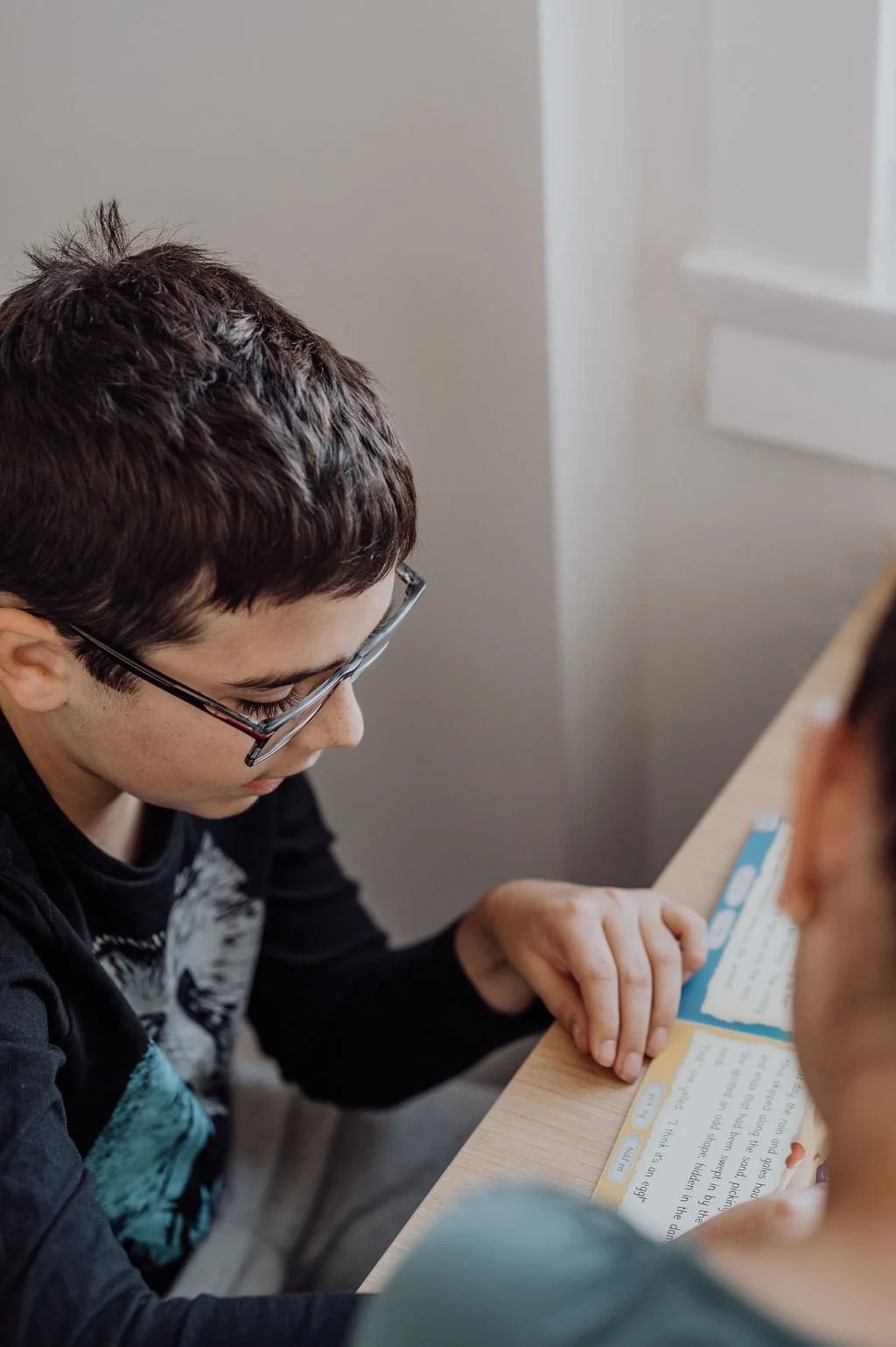
When is Speech Therapy for Kids helpful?
If you are looking for a Paediatric Speech Pathologist in the Eastern Suburbs of Sydney, look no further.
We can also provide Paediatric Speech Pathology services to support you and your child as part of Online Sessions.
Speech Pathology for children will benefit you if you are concerned that your child:
Isn’t keeping up with their peers
Isn’t talking or isn’t talking enough
Is difficult to understand
Repeats words or phrases (stutters or stumbles with their words)
Struggles to follow instructions
Can’t remember what you asked them to do
Understands some but not all of what you say
Confuses concepts and position words
Says a lot but it is difficult to follow what they mean
Is falling behind at school
Is struggling to read and spell
Can’t understand what they read
Struggles with completing written work
Has difficulty making and keeping friends
Uses memorised scripts
Struggles to play with others
Plays repetitively
Cannot play with toys in different ways
Is having difficulties making and keeping friends
Kids Spot padiatric speech therapists have serviced the Eastern Suburbs for more than 20 years.
-
Why is my child not talking?
It's understandable to be concerned if your child hasn’t started talking as you expected. There are many reasons why a child might experience a speech delay. If you have concerns, it's always best to seek professional advice. Below are some possible reasons your child isn’t talking yet:
Hearing Loss:
If a child has difficulty hearing, they may struggle to learn and imitate sounds.
Speech and Language Disorders:
These can involve difficulties with the physical production of speech sounds (speech disorders) or with understanding and using language (language disorders).
Autism Spectrum Disorder (ASD):
Speech delays can be an early sign of ASD, though it's important to note that many children with speech delays do not have autism.
Intellectual Disabilities:
Cognitive delays can affect speech and language development.
Oral Motor Problems:
Issues with the muscles of the mouth, tongue, or palate can make it difficult to produce speech sounds.
Kids Spot speech pathology clinic can support you in determining if there is an area that would benefit from therapy input. The benefits of early intervention is widely researched.
-

When should I worry about my child's speech?
While every child progresses at their own pace, there are certain milestones that can indicate potential concerns. Here's a general guideline on when to consider seeking professional advice:
When to Be Concerned:
12 Months:
If your child isn't attempting to communicate through sounds, gestures (like pointing or waving), or simple words.
If they aren't responding to their name.
18 Months:
If your child isn't using at least a few single words.
If they primarily rely on gestures to communicate.
If they are not babbling.
2 Years:
If your child isn't using at least 50 words.
If they aren't combining two words into simple phrases.
If they have very limited understanding of simple directions.
3 Years:
If their speech is consistently difficult to understand by familiar caregivers.
If they aren't using short sentences. If they are not asking simple questions.
4 Years:
If their speech is still frequently unclear to unfamiliar people.
If they struggle to tell simple stories.
If they have difficulties with basic grammar.
General Indicators of Concern:
Any regression in speech or language skills.
Consistent difficulty understanding your child's speech.
Your child showing frustration due to communication difficulties.
Concerns about your child's hearing.
-

Is my child's speech delay a sign of Autism?
Speech delays can be an early indicator of Autism Spectrum Disorder (ASD), but they occur for many other reasons as well.
Autism affects communication and social interaction, which can manifest as speech and language difficulties.
the Key Differences include:
It's vital to consider the "whole child," not just speech.
Autism-related speech delays often occur with other signs like:
Social interaction challenges (limited eye contact, difficulty understanding social cues).
Repetitive behaviours (hand flapping, rigid routines).
Sensory sensitivities (overreaction to sounds or textures).
What to Do
Seek a professional evaluation from a speech-language pathologist, developmental paediatrician, or psychologist.
Early intervention is crucial for Autistic children or those with speech delays.
Remember, a speech delay alone does not equal autism. Professional evaluation is required for a diagnosis.
-

Do I need a referral to access Speech Therapy for kids??
No, a referral is not needed to see a paediatric speech pathologist.
We accept referrals from all professionals but this is not essential to get the support you need.
The information you provide to us before your first appointment is enough to get started. If you have recently had an assessment and have reports you can provide, we may also be able to begin therapy without the need for an assessment.