
Meet the Speech Therapists here to Support Your Child
-
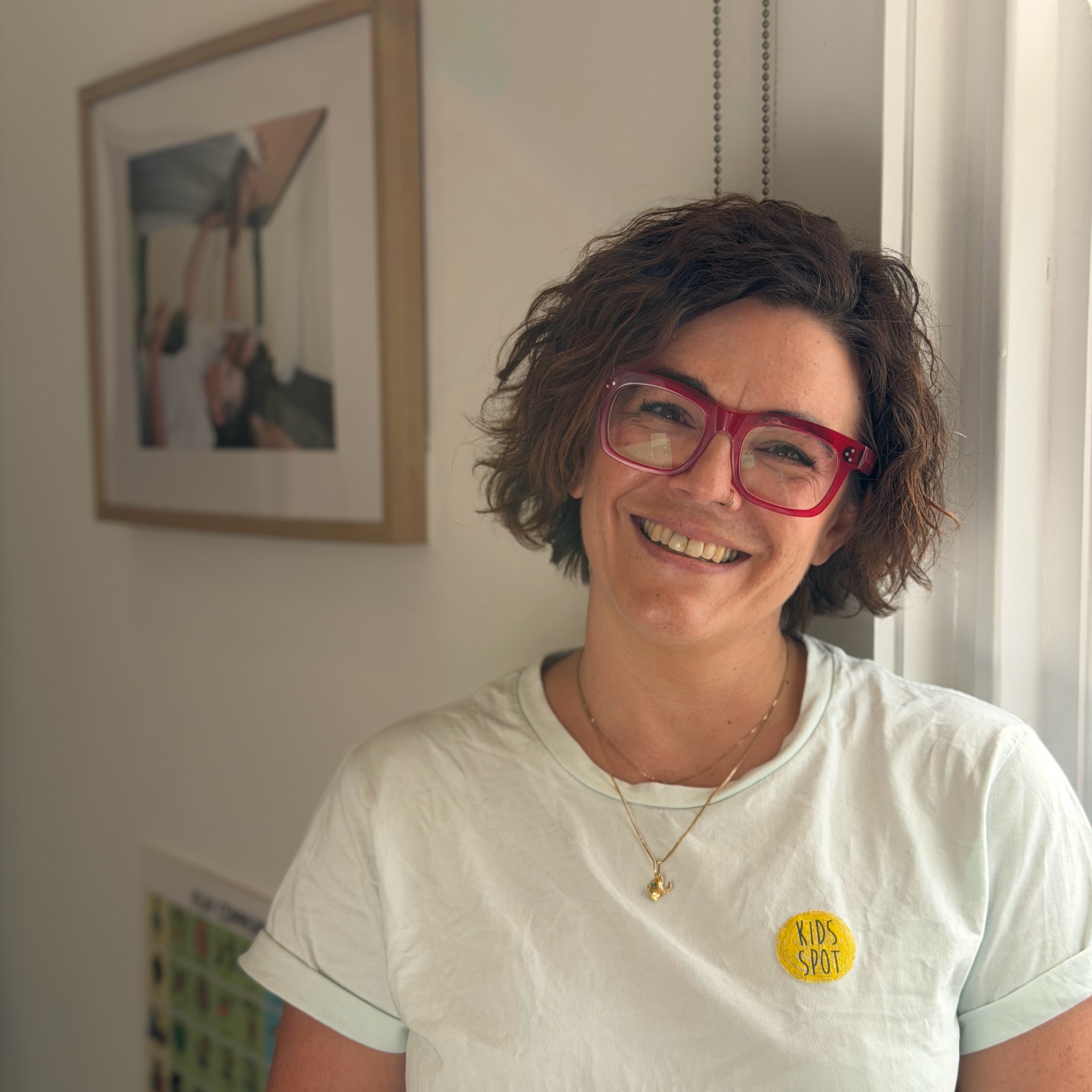
Julia Orsini
Founder / Speech Pathologist
Bachelor Applied Science (Speech Pathology), Certified Practicing Speech Pathologist, Member of Speech Pathology Australia.
When Julia took ownership of Kids Spot in 2013, she had a clear vision: to build a paediatric speech pathology clinic where every family, regardless of which clinician they saw, received the same exceptional, nurturing and evidence-based care.
With 24 years of clinical experience across all age groups and presentations, Julia now leads Kids Spot as Clinical Director. Her role is the backbone of the clinic's quality standard: providing clinical supervision, mentoring the team, developing therapy programs, and ensuring that the knowledge and frameworks she has spent decades building are embedded into every session delivered at Kids Spot.
Julia's commitment to families is personal as well as professional. As a mother, she has navigated the journey of supporting a child with communication and sensory integration difficulties firsthand. That experience is at the core of Kids Spot's culture, a clinic built with genuine understanding of what families carry when they walk through the door, and what they need from the people who support them.
Families at Kids Spot are in the hands of a carefully selected, continuously supervised team of speech pathologists. Julia has hand-picked, trained, and mentored the team to deliver the standard of care she has spent her career defining. Her greatest measure of success is watching her team make a real difference for children and families every day.
Julia also leads Kids Spot's community partnerships, professional training for educators, and collaborative programs with allied health providers. This extends the clinic's impact well beyond its walls.
Kids Spot is located in Rose Bay, Sydney, and works with children and families across the Eastern Suburbs and beyond. To find out which clinician is the right fit for your child, we invite you to get in touch.
-
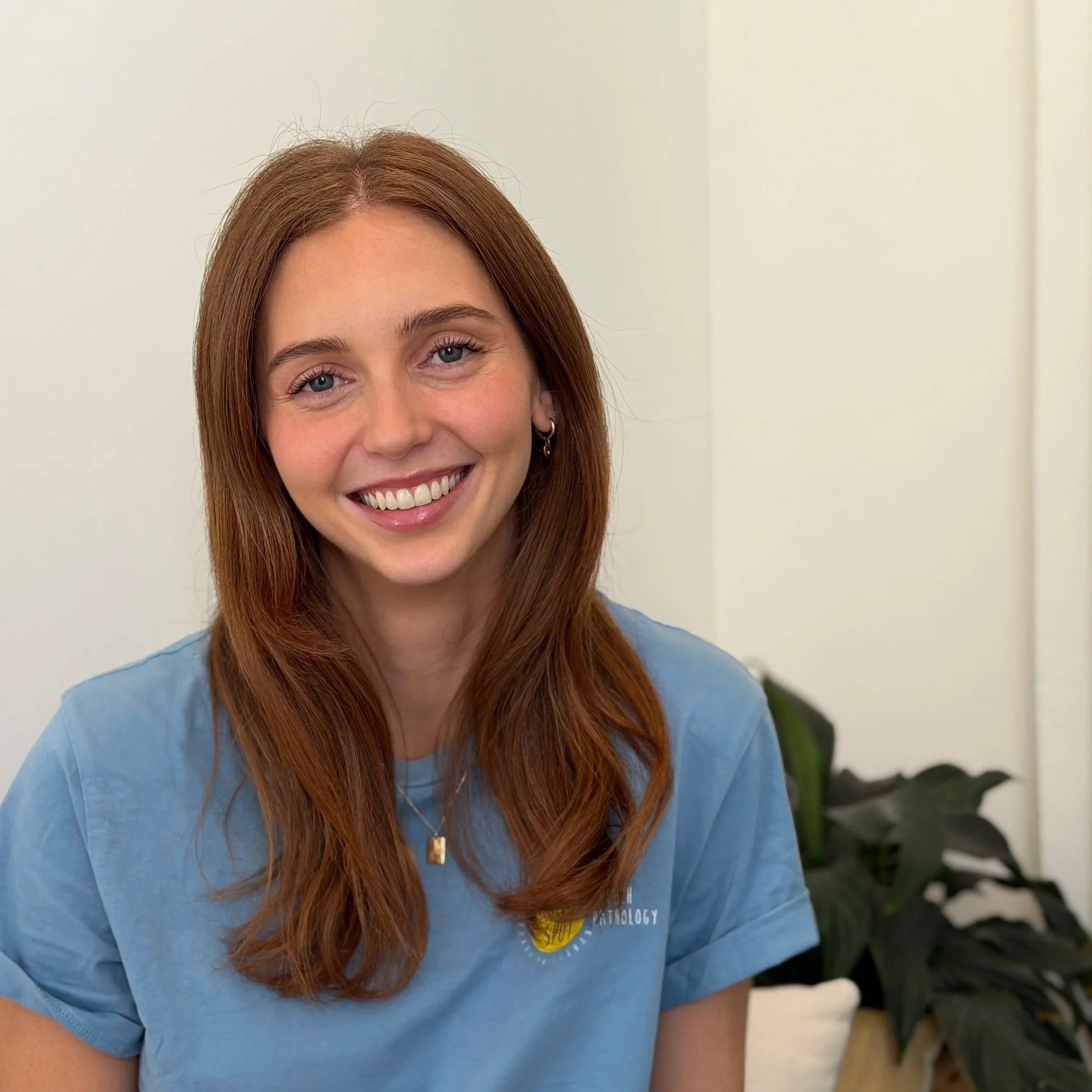
Briony Scanlan
Speech Pathologist / Clinical Educator for students
B. Applied Science (Speech Pathology) with Class I Honours, The University of Sydney. Certified Practicing Speech Pathologist & Member of Speech Pathology Australia.
Briony is a speech pathologist who brings playfulness, warmth and genuine enthusiasm to every session. She believes children learn best when therapy is fun, and families consistently describe her approach as friendly, engaging and easy to connect with.
Briony works with children of all ages across the core areas families most commonly seek support for, including speech sound disorders, language development, literacy, stuttering and Autism. Her literacy practice is grounded in the principles of structured literacy, drawing on the frameworks of Sounds-Write, SPELD and MultiLit. For children with Autism, she brings a neurodiverse-affirming lens and DIR Floortime training to sessions that follow the child's lead.
Before joining Kids Spot, Briony worked across hospital and community health settings, including a dedicated Key Worker role in a Special Care Nursery coordinating care for families where multiple health disciplines were involved. That experience gives her a clinical depth and collaborative approach that families and referrers alike appreciate.
Briony is also a specialist feeding therapist, trained in the SOS Approach to Feeding and responsive feeding therapy. She is additionally a trained AAC practitioner. AAC (Augmentative and Alternative Communication) refers to tools and strategies that support a child to communicate beyond speech alone, including dedicated speech generating devices and apps such as Liberator hardware with software including LAMP Words for Life. For many children, AAC is transformative, opening up communication that speech alone cannot yet support.
Outside the clinic, Briony loves spending time with family and friends and being out in nature.
-
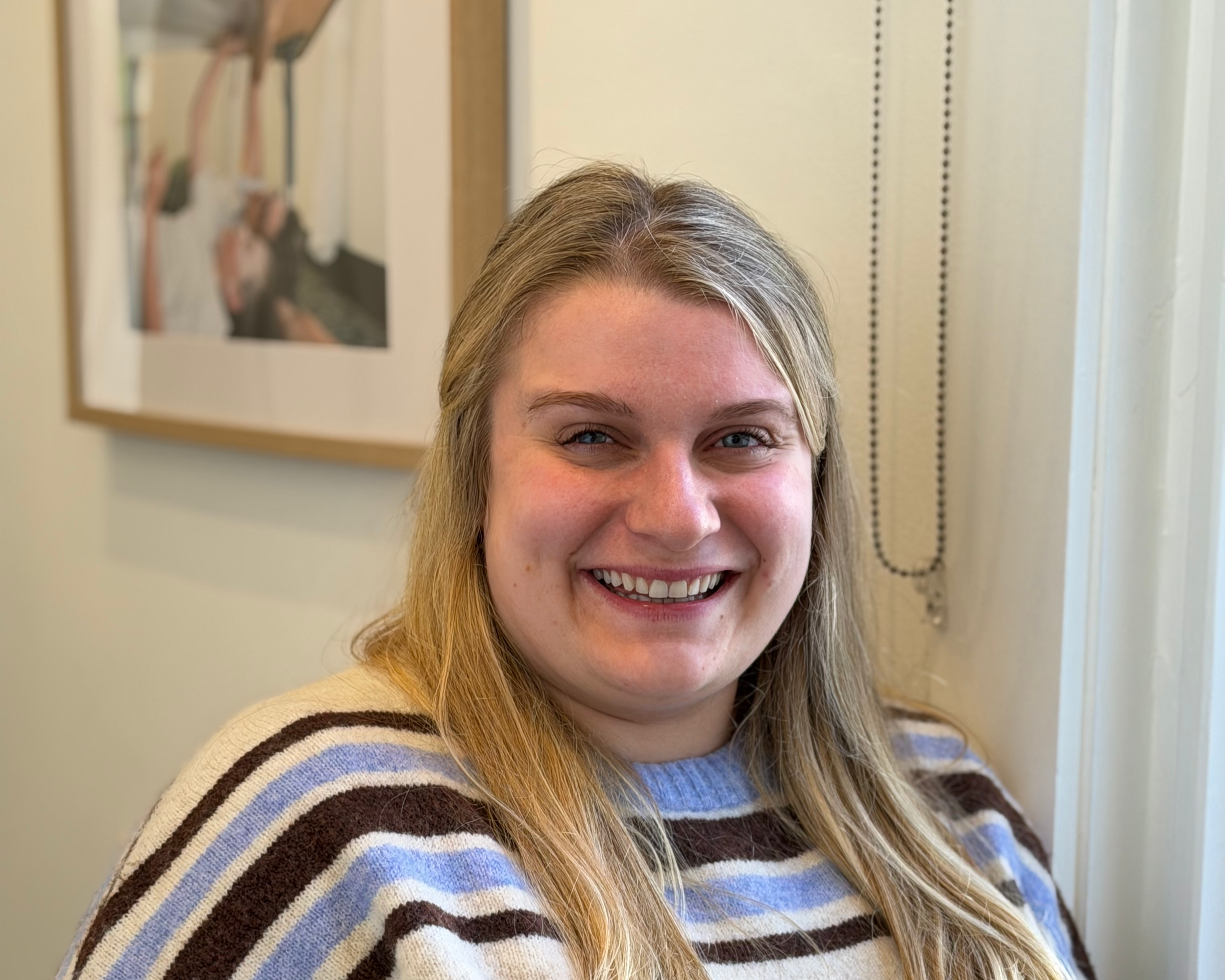
Eliza Paterson
Speech Pathologist
Master of Speech Pathology, University of Technology Sydney. Certified Practising Speech Pathologist. Member, Speech Pathology Australia
Eliza is a warm and thoughtful speech pathologist who brings genuine curiosity and care to every child and family she works with. She is committed to child-led, neurodiverse-affirming therapy, building sessions around regulation, connection and engagement so that communication grows in a way that feels safe and enjoyable for the child.
Eliza works with children across a broad range of presentations, including speech sound disorders, language development, stuttering, and complex communication needs. Her intervention is always evidence-based and shaped around each child's individual goals, with a focus on functional communication that carries over into everyday life at home, at school and in the community.
Alongside her speech pathology qualification, Eliza holds a Bachelor of Psychology with Honours, giving her a strong grounding in child development, behaviour and emotional regulation that enriches the way she connects with children and supports families. She also brings hands-on experience working directly alongside children and families with disability across home, school and daycare settings, giving her a practical, grounded understanding of how therapy translates into real life.
Eliza is also a trained AAC practitioner. AAC (Augmentative and Alternative Communication) refers to tools and strategies that support a child to communicate beyond speech alone, including dedicated speech generating devices and apps such as LAMP Words for Life and Proloquo2Go. For many children, AAC is transformative, opening up communication that speech alone cannot yet support.
In her free time, Eliza enjoys spending time walking her beloved cavoodles and hanging out wth family and friends.
-
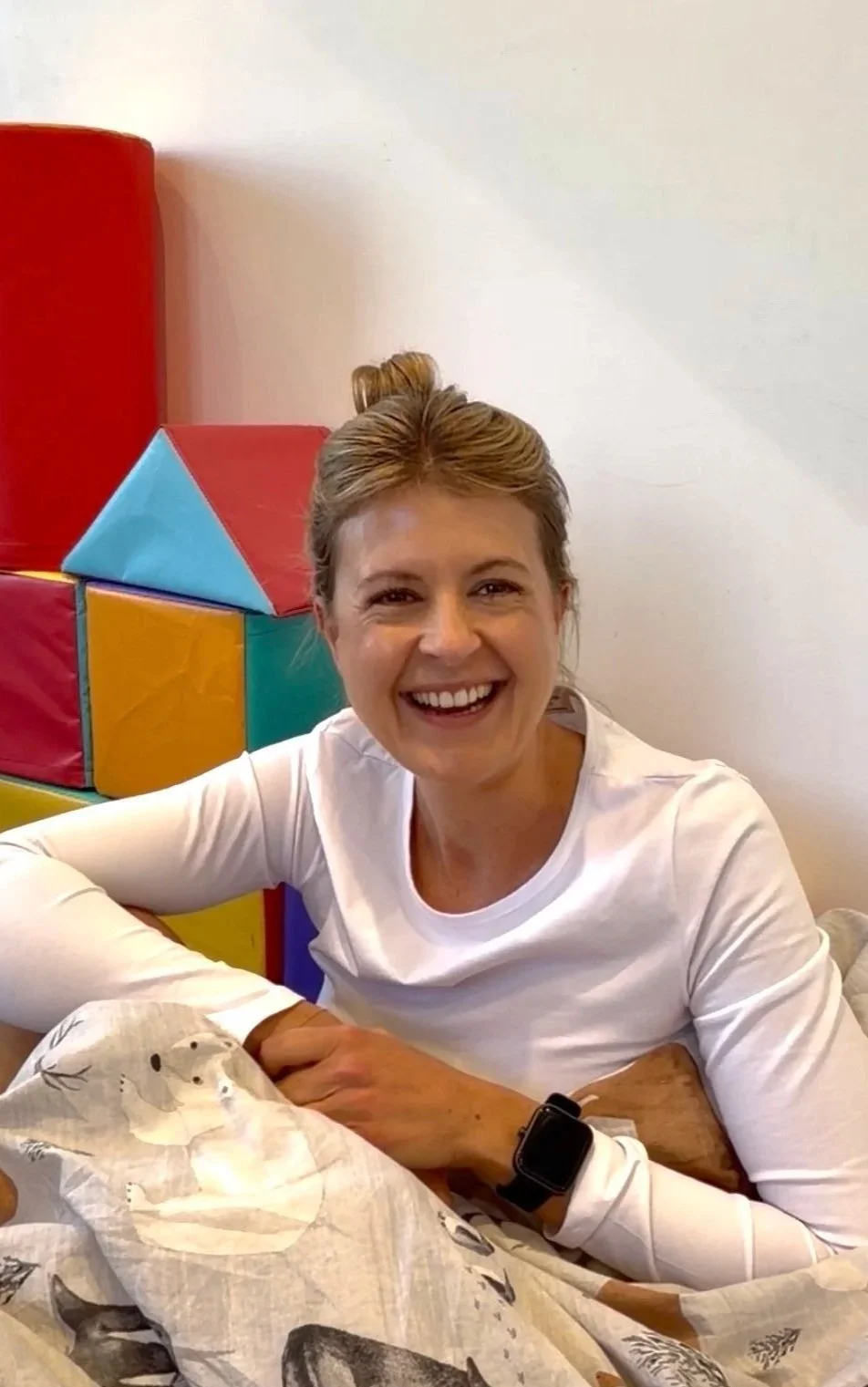
Cara McGrath
Speech Pathologist
Masters of Speech Pathology, University of Technology Sydney. Certified Practicing Speech Pathologist & Member of Speech Pathology Australia
Cara is a speech pathologist who brings warmth, calm and clinical skill to every child she works with. She has a genuine talent for finding and celebrating each child's strengths, making therapy a joyful experience for children and families alike.
Cara works with children across all ages and a wide range of communication presentations, including speech sound disorders, language development, literacy, and AAC. She holds specialist training in Gestalt Language Processing, DIR Floortime, complex speech sound disorders, and multisensory literacy instruction as well as Lidcombe Program and Westmead Program for stuttering treatment.
Cara is also a trained AAC practitioner. AAC (Augmentative and Alternative Communication) refers to tools and strategies that support a child to communicate beyond speech alone. This includes dedicated speech generating devices, apps and picture-based systems. Cara has specific experience with Liberator hardware and a range of software including LAMP Words for Life. For many children, AAC is transformative, opening up communication that speech alone cannot yet support.
She also has a particular passion for neurodiverse-affirming practice, supporting Autistic children and their families through therapy that is strengths-based and built around how each child naturally communicates.
Families consistently describe Cara's sessions as calm, safe and celebratory. Children feel seen for who they are, and parents feel genuinely supported throughout the journey.
Outside the clinic, Cara loves exploring new walking tracks and swimming in the ocean whenever she can.
-
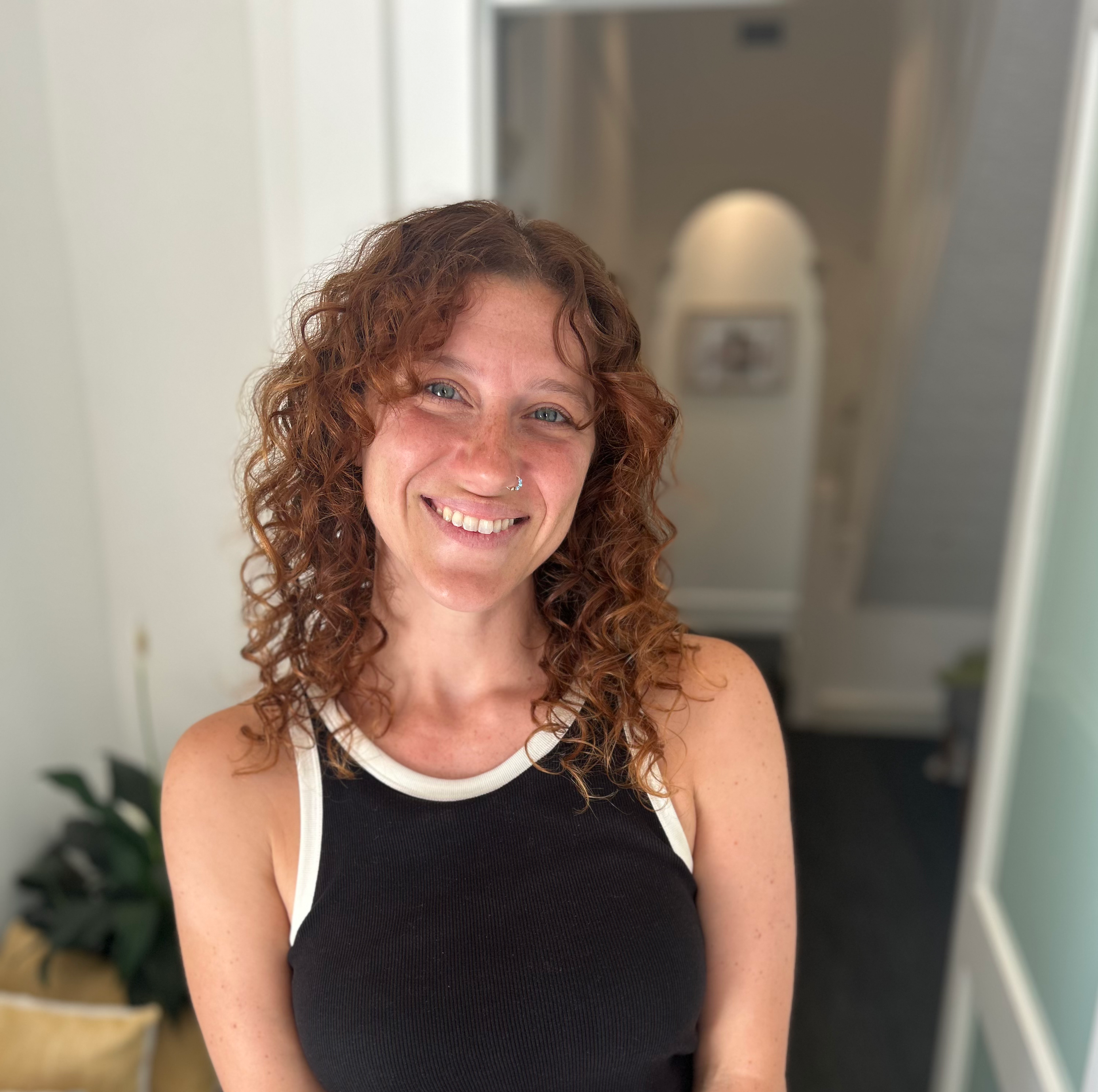
Lara Pecora
Speech Pathologist / Clinical Educator for students
Masters of Speech Pathology, University of Technology Sydney. Certified Practicing Speech Pathologist & Member of Speech Pathology Australia.
Lara is a speech pathologist who brings fun, energy and a deep respect for every child and family she works with. She believes therapy works best when it feels enjoyable and accessible, and she is committed to making home practice something families actually look forward to rather than dread.
Lara works with children and adolescents across all ages and a broad range of presentations, including speech sound disorders, language development, literacy, social skills and Autism. She has a particular passion for working with teenagers, building sessions on genuine respect, curiosity and a no-judgement approach that young people respond to well.
Lara is a Hanen Certified Practitioner and a certified Key Word Sign practitioner, bringing additional depth to her work with children and families in the early stages of communication development.
Lara is also a trained AAC practitioner. AAC (Augmentative and Alternative Communication) refers to tools and strategies that support a child to communicate beyond speech alone, including dedicated speech generating devices and apps such as Liberator hardware with software including LAMP Words for Life. For many children, AAC is transformative, opening up communication that speech alone cannot yet support.
Her additional specialist training includes Gestalt Language Processing, DIR Floortime, complex speech sound disorders, and multisensory literacy instruction.
Lara speaks Italian as a second language, bringing a cross-cultural warmth and sensitivity to her work with families from diverse backgrounds.
Outside the clinic, Lara loves an adventure, is an enthusiastic hula hooper, and will give any new hobby a go.
-

Josephine Barton
Speech Pathologist
Masters of Speech Pathology, University of Sydney. Certified Practicing Speech Pathologist & Member of Speech Pathology Australia.
Jo is a speech pathologist with a genuine intellectual curiosity about the way children communicate and why difficulties arise. She brings warmth, creativity and a deep commitment to finding the approach that works for each individual child, drawing on a background that is broader than most clinicians in the field.
Jo works with children across a wide range of presentations, including speech sound disorders, language development, literacy and dyslexia, voice disorders, stuttering and Autism. Her interest in voice is particularly distinctive. Before pursuing speech pathology, Jo worked as a voice coach, giving her an intuitive understanding of how voice, breath and communication are connected that enriches her clinical practice in ways families often find unexpected and valuable.
For children with Autism, Jo takes a neurodiverse-affirming approach, supported by DIR Floortime and Gestalt Language Processing training, exploring the ways each child naturally engages and communicates.
Jo is also a trained AAC practitioner. AAC (Augmentative and Alternative Communication) refers to tools and strategies that support a child to communicate beyond speech alone, including dedicated speech generating devices and apps such as Liberator hardware with software including LAMP Words for Life. For many children, AAC is transformative, opening up communication that speech alone cannot yet support.
Her specialist training also includes the Lidcombe Program and Westmead Program for stuttering treatment, complex speech sound disorders, and multisensory literacy instruction.
Having lived overseas for much of her adult life, Jo brings a cross-cultural perspective and an ease with difference that families from diverse backgrounds often find immediately reassuring.
Outside the clinic, Jo loves spending time in nature, reading and playing the piano.
-
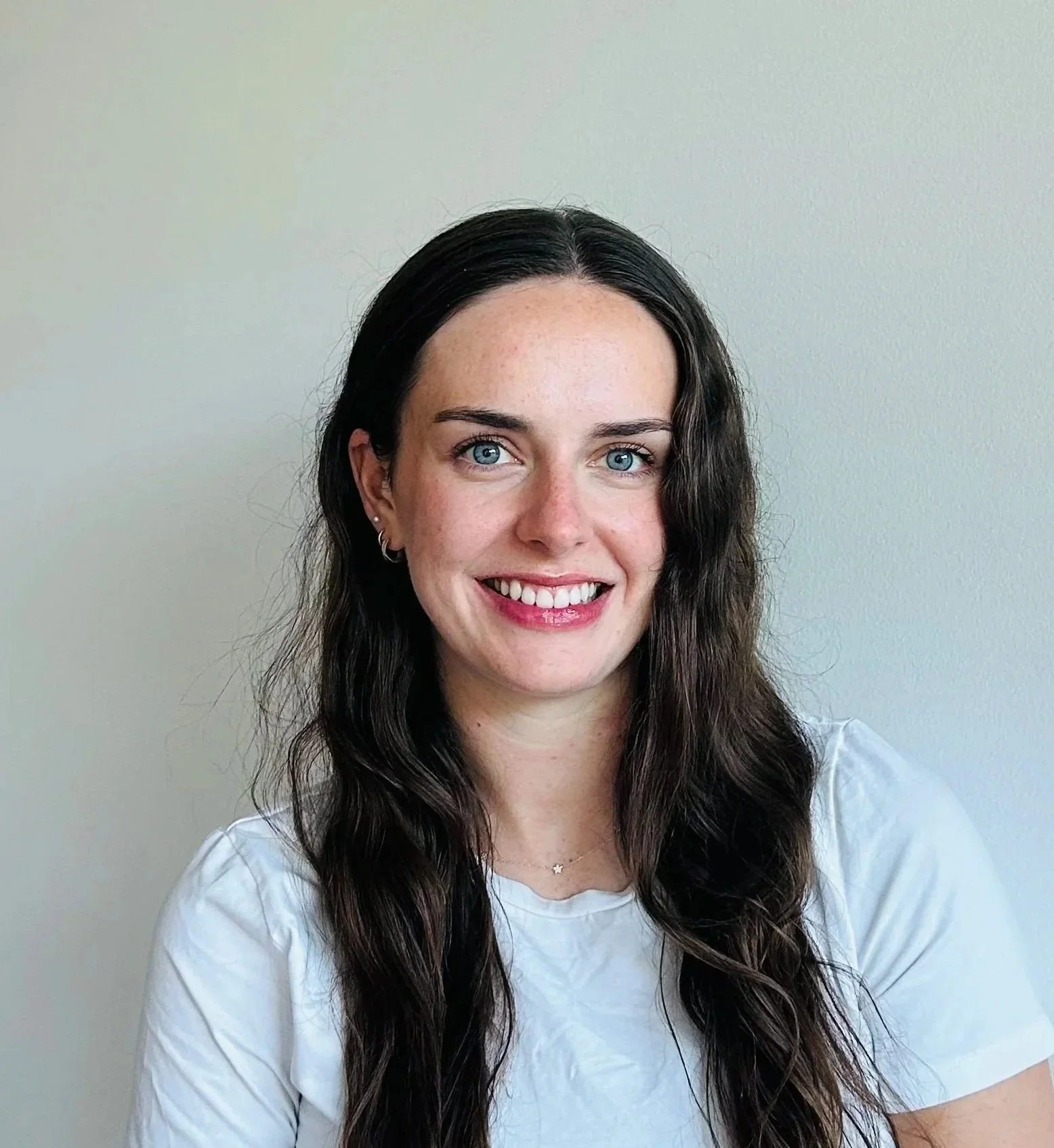
Alva O'Brien
Speech Pathologist / Clinical Educator for Students
Bachelor of Science in Speech and Language Therapy (Second-Class Honors), University College Cork. Certified Practicing Speech Pathologist, Member of Speech Pathology Australia.
Alva is a speech pathologist who brings enthusiasm, curiosity and a genuine warmth to every child and family she works with. She is committed to strengths-based care, setting goals that are collaborative, meaningful and realistic for each child's unique situation.
Alva works with children of all ages across a broad range of presentations, including speech sound disorders, language development, literacy, stuttering and Autism. Her clinical experience spans both Ireland and Australia, giving her a diverse perspective and an adaptability that families and referrers appreciate. Her specialist training includes the Michael Palin Centre Course for Stammering, Assessment and Intervention for Children Aged 0 to 7, Gestalt Language Processing with Julie Holmes, and Assessment and Intervention for Paediatric Speech Sound Disorders with Dr. Tricia McCabe.
For children with Autism, Alva brings a neurodiverse-affirming approach and DIR Floortime training to sessions that are responsive, playful and built around how each child naturally engages with the world.
Alva is also a trained AAC practitioner. AAC (Augmentative and Alternative Communication) refers to tools and strategies that support a child to communicate beyond speech alone, including dedicated speech generating devices and apps such as Liberator hardware with software including LAMP Words for Life. For many children, AAC is transformative, opening up communication that speech alone cannot yet support.
Outside the clinic, Alva loves travelling, exploring new places and seeking out great food wherever she goes.
-

Jasmine Pang
Practice Manager
Jasmine is the organisational heartbeat of Kids Spot. With a background leading and managing complex projects and events, she brings structure, warmth and genuine care to every interaction with families, ensuring that the administrative and logistical side of the therapy journey feels as smooth and supported as the clinical side.
In her role at Kids Spot, Jasmine is often the first point of contact for families. She is dedicated to making every family feel welcomed, informed and at ease from the very first enquiry through to ongoing care. Behind the scenes, she works closely with the clinical team to ensure the clinic runs in a way that allows every speech pathologist to do their best work.
As a mother of two young children, Jasmine understands firsthand the complexity and joy of family life. She brings that lived understanding to every conversation with a Kids Spot family, meeting parents where they are with patience, practicality and genuine empathy.
Outside work, Jasmine loves exploring Sydney with her husband and two children and has travelled widely, bringing a curiosity and openness to the world that shows up in everything she does.


