
How Speech Therapy Supports Children with Autism - A Parent’s Guide
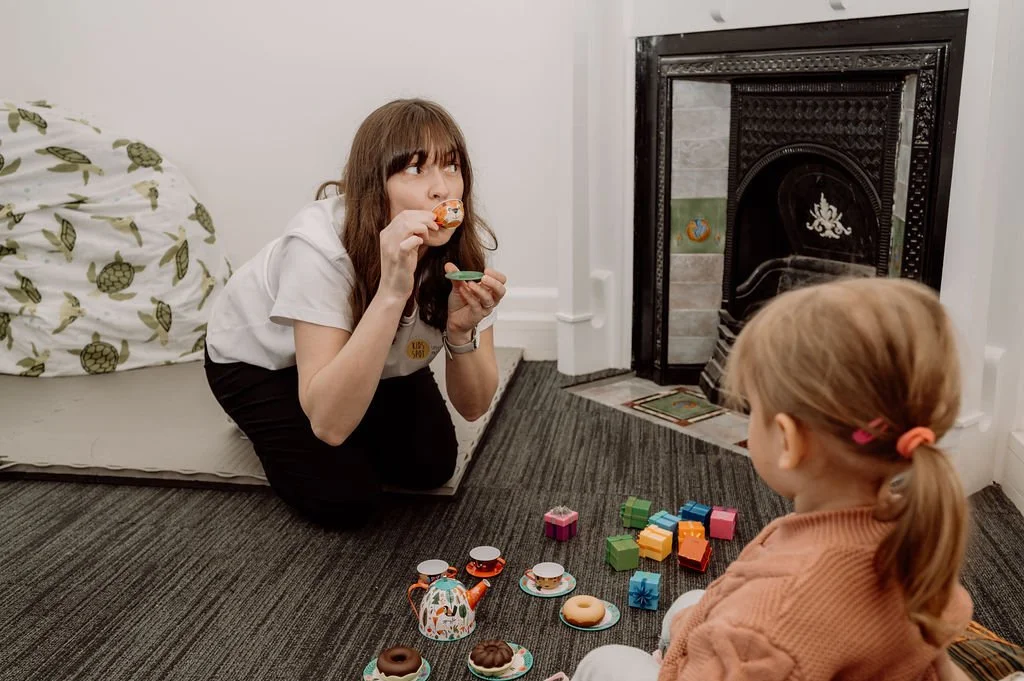
When we think about communication, it’s easy to automatically assume this means spoken words, but speech is only one of the many valid and meaningful ways children connect with the world and communicate their needs. For many Autistic children, communication develops along a different timeline and through different pathways, each influenced by their strengths, interests, sensory preferences, and unique ways of processing their environment. At Kids Spot, we believe that every child communicates, and our role is to help families recognise, nurture, and expand those communication opportunities in ways that feel safe, respectful, and meaningful.
This is where speech therapy for autism can make a powerful difference. Rather than focusing solely on spoken words, we work to understand how each child is already communicating; through their body, movements, gestures, sounds, play or interactions with the people they trust most. By honouring these existing skills, we build a foundation for growth that celebrates who the child is, not just who others expect them to be.
Understanding the Communication Journey
For many Autistic children, the road towards speech (if speech becomes part of their communication profile) is wonderfully complex. Speech and language skills develop along layers of shared attention, play, sensory regulation, connection, motivation, and felt safety. A child may prefer or be more able to communicate non-verbally for many reasons, including motor planning differences, sensory overload, anxiety, or simply because a different this works better for them.
It’s important for families to know that communication development is not a race, and it doesn’t follow one single pathway. With the right Autism communication support, children can learn to express themselves in ways that feel natural, empowering, and effective—whether that includes spoken language, signs, sounds, pictures, or a combination of all.
A Neurodiversity-Affirming Approach
At Kids Spot, we are committed to a neurodiversity-affirming framework. This means we don’t view Autism as something to be “fixed” or “normalised.” Instead, we recognise Autistic communication as part of natural human variation. Our sessions never aim to suppress behaviours that help a child regulate or express themselves, such as echolalia, movement, or stimming. These behaviours are often essential tools for processing the world.
What we value and nurture is connection. By nurturing relationships, noticing each child’s natural interests, and leaning into joyful, meaningful play, we help communication unfold in ways that align with the child’s readiness and developmental stage.
Working Together Toward a Common Goal
Every family comes to speech therapy with hopes for their child’s future. Our job is to support those hopes with compassion, clarity, and evidence-based practice. We work side-by-side with families to create communication goals that honour the child’s individuality. Sometimes those goals include spoken language. Sometimes they focus on expanding other means of communication to strengthen social connection, build play skills, or reduce communication frustration.
Speech may or may not become part of a child’s communication toolkit but communication always will. The path is different for every Autistic child, but at Kids Spot, it is always respected, supported and centred on helping children express themselves in the way that feels right for them.
